How Australian Display Homes Can Lead the Way in Eco-Friendly Designs
Core Elements of Eco-Friendly Design
The essence of eco-friendly design lies in understanding sustainable practices that blend functionality with environmental responsibility. These practices are not just beneficial for preservation, but they also align with contemporary living standards. In Victoria, urban developments such as those in Tarneit have been increasingly adopting these principles, promoting a lifestyle that honours both comfort and nature.
Sustainable Material Choices
Choosing materials that are recycled, reclaimed, or sustainably sourced is fundamental to eco-friendly design. These materials reduce environmental impact and often provide unique textures and aesthetics. It's crucial to consider options such as bamboo, reclaimed wood, and recycled metal, which are abundant and cost-effective. With the growing popularity of high-quality, sustainable materials in local developments, designers are tasked with creatively incorporating these into their projects. This ensures a home is not only stylish but also responsible, a notion well-illustrated by mt atkinson display homes and other prominent estates.
Energy-Efficient Technologies
In the pursuit of reducing energy consumption, adopting energy-efficient technologies is a significant step. This includes systems like solar panels, smart thermostats, and energy-efficient lighting. Incorporating these technologies can lead to substantial savings on utility bills and a reduced carbon footprint for homeowners. The design integration of such features is evident in display homes for sale Melbourne, where sustainability meets modern living standards.
Water Conservation Techniques
Water conservation is another critical element of eco-friendly design. Techniques such as rainwater harvesting, low-flow fixtures, and drought-resistant landscaping are effective strategies for reducing water usage. Display homes craigieburn vic showcase the potential of integrating such systems into existing designs, offering both ecological and economical benefits to homeowners who are passionate about sustainability.
Incorporating Nature into Spaces
Indoor Plant Integration
Incorporating nature within the confines of your living space can have profound effects on both aesthetics and well-being. Adding indoor plants is a practical and beautiful way to transform any room into a sanctuary. From the lush greenery of potted ferns to the sleek elegance of snake plants, integrating greenery into your design can maintain harmony with the environment while elevating indoor air quality. For a community like Tarneit, where display homes tarneit often showcase expansive living areas, indoor plants can be positioned strategically to leverage natural light, reducing the need for artificial lighting.
Natural Lighting Solutions
The power of natural lighting goes beyond just brightening up a room; it plays a crucial role in reducing energy consumption. Designing spaces to harness sunlight effectively involves strategically placing windows, skylights, and even reflective surfaces to maximise illumination. By letting more sunlight in, these homes not only cut down on electricity bills but also create a vibrant, inviting atmosphere.
Biophilic Design Principles
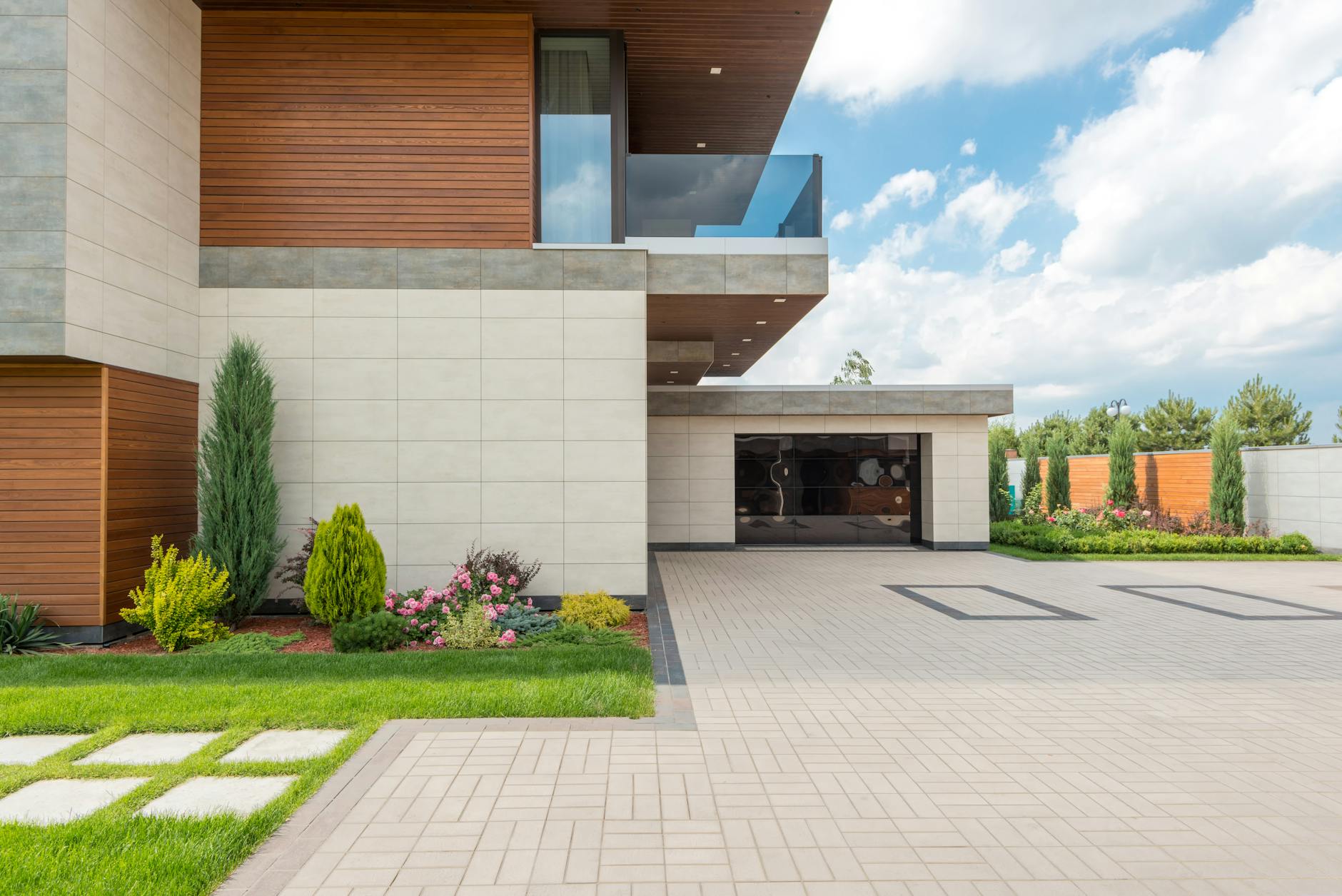
Biophilic design is about forging a strong connection between the inhabitants and nature, embedding natural elements harmoniously into living spaces. This can be achieved by using materials and layouts that mimic organic patterns found in nature. For instance, the exterior and interior designs of new homes melbourne builders are increasingly incorporating raw, unfinished textures that reflect the surrounding landscape, fostering a deep sense of place. Estates in Melbourne benefiting from such designs feel more attuned to their ecological surroundings, demonstrating a purposeful blend of urban development with environmental stewardship.
Trends in Australian Display Homes
Popular Eco-Friendly Features
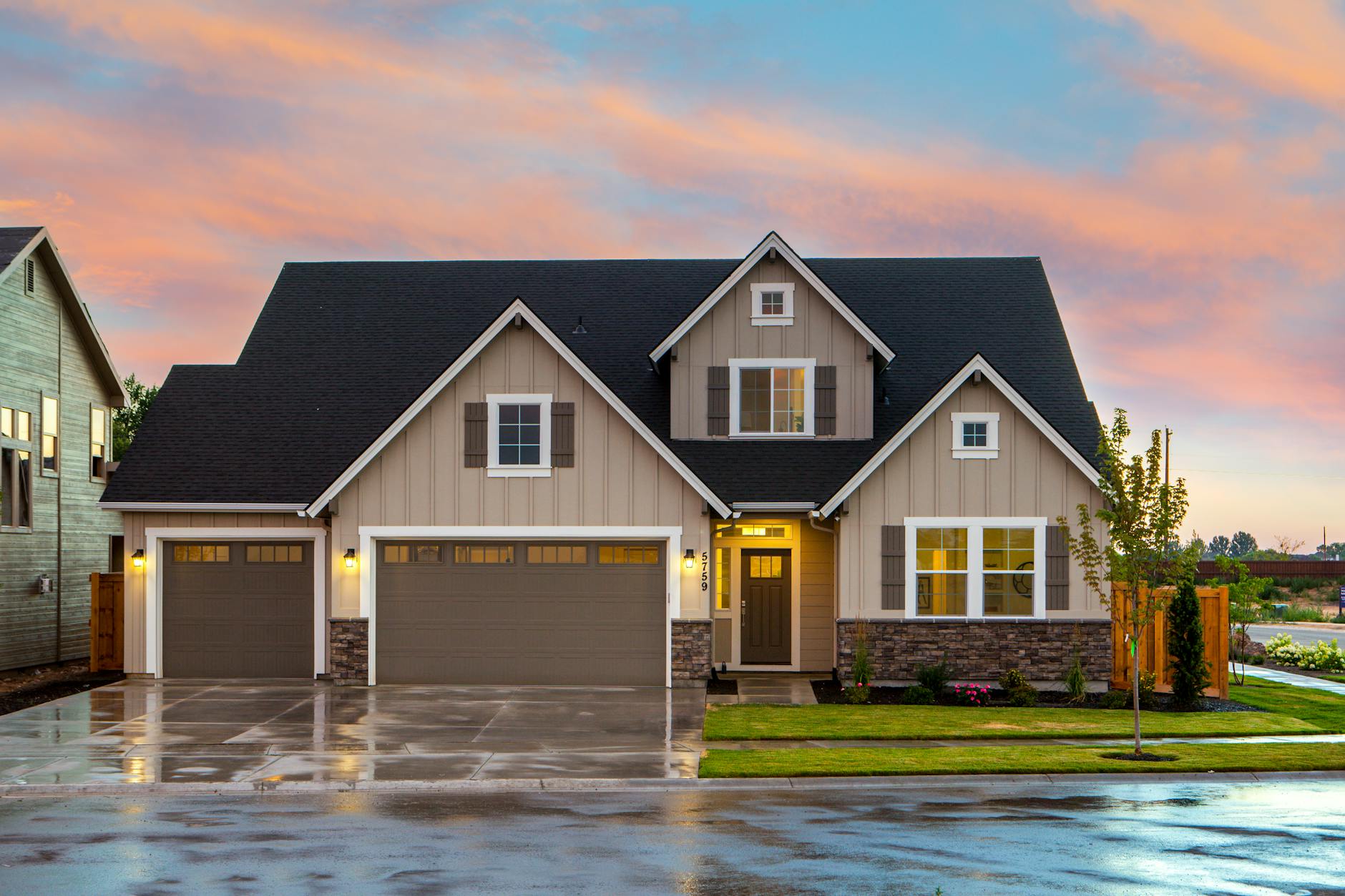
Australia's display homes are showcasing a shift towards sustainability, prioritising energy efficiency and environmental conservation. In Point Cook, a visit to one of the point cook display homes highlights common features such as solar panels, rainwater harvesting systems, and high-performance insulation. These elements not only reduce energy consumption but also lower overall living costs. Furthermore, smart home systems are increasingly common, allowing residents to monitor and control energy use remotely, enhancing both convenience and efficiency.
Innovative Design Examples
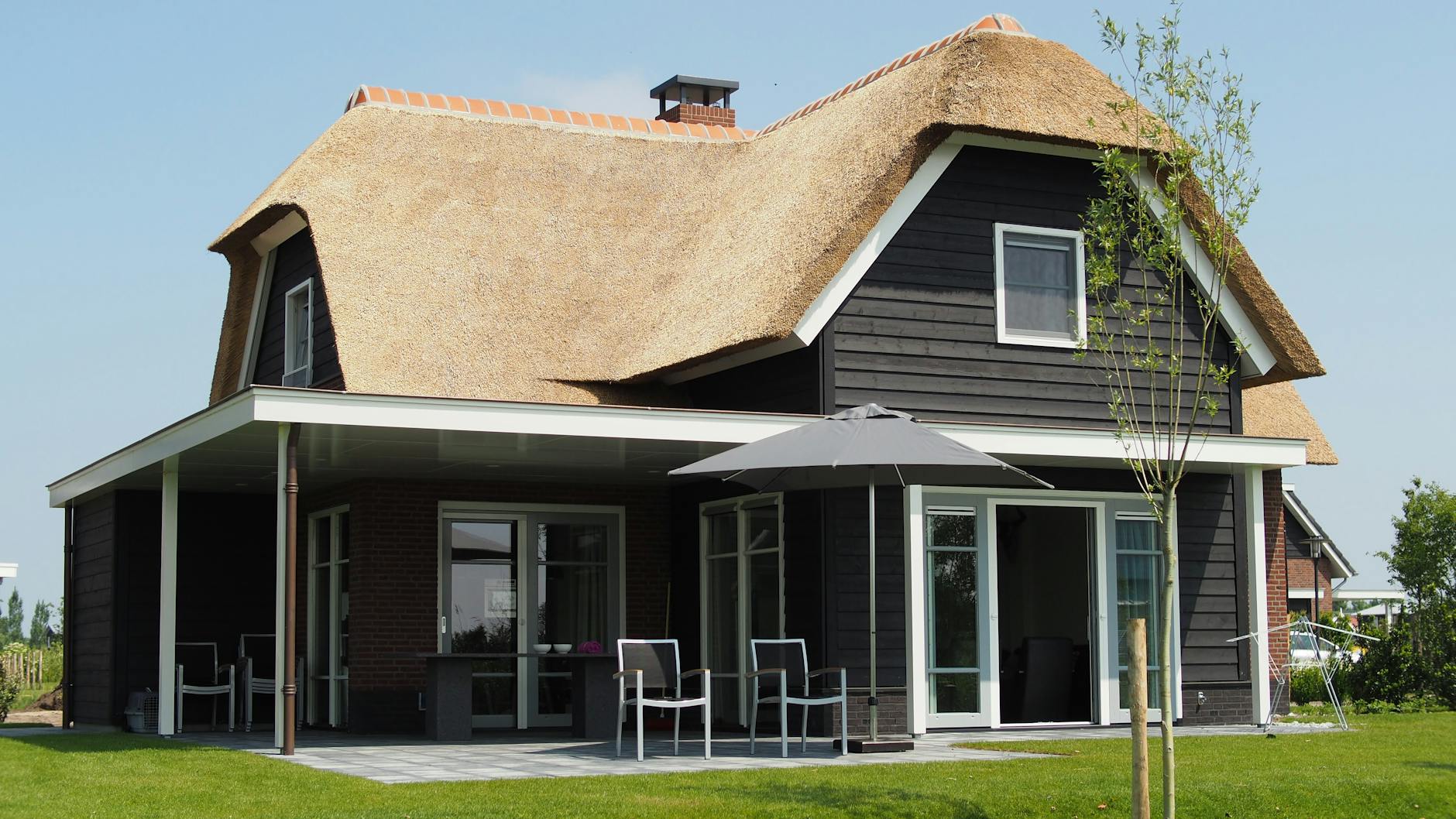
Some of the most creative display homes capture the essence of modern sustainable living. Near Sunbury, there are properties that blend contemporary architecture with ecological sensitivity. These homes often incorporate features like passive solar design and green roofs, which integrate seamlessly with the natural landscape, providing aesthetic appeal while aiding in temperature regulation. Another innovative trend is the use of recycled or upcycled materials in construction, reducing the carbon footprint significantly.
Inspirational Home Tours
Engaging with Australian display homes offers a firsthand perspective on sustainable living. Exploring display homes gisborne allows visitors to experience the synergy of innovative design and eco-friendly practices. In particular, the emphasis on open floor plans harmonises indoor and outdoor spaces, promoting natural airflow and light. The community's embrace of green initiatives, inspired by local efforts such as Sunbury's ecological projects in their parks, empowers residents to adopt sustainable lifestyles. This integration of design and community spirit serves as a beacon for those interested in environmentally conscious living.
Challenges in Eco-Friendly Design
Material Availability
Navigating the availability of sustainable materials is often a major issue. As urban developments in areas like Tarneit grow, sourcing eco-friendly materials within budget constraints can be challenging. Imagine working on a wollert display homes project; you might find yourself scouring resources to secure materials that align with both environmental standards and design aesthetics. Limited local suppliers and the need for materials to match Australia's stringent building codes can further complicate the process.
Balancing Cost and Quality
Striking the right balance between cost and quality is a constant juggle in eco-friendly design. As someone deeply invested in sustainability, you could find yourself evaluating various suppliers to secure sustainable materials without compromising on quality. It's a delicate act to ensure that your design not only meets aesthetic expectations but also remains economically viable. The financial pressures often tied to residential projects, especially those involving display homes sunbury, necessitate innovative budgeting and creative sourcing strategies to maintain this balance.
Overcoming Design Limitations
Meeting clients' expectations, such as those seen in Craigieburn's extensive green spaces, while adhering to eco-friendly principles, can be a complex task. Constraints imposed by existing structures, budget limitations, or artistic preferences often demand adaptive design solutions. As Sophie Thompson might experience, whether devising layouts or selecting sustainable finishes, overcoming these challenges requires a keen understanding of both architectural nuances and client desires.
Guiding Principles for Green Designers
Practical Eco-Friendly Techniques
Incorporating eco-friendly techniques into design requires a thoughtful approach, as seen firsthand in projects in areas like Tarneit. It's not just about using recycled materials but integrating solutions that reduce the overall carbon footprint. Start by prioritising energy-efficient appliances and lighting fixtures, which are fundamental in reducing energy consumption. Roofing solutions like solar panels harness renewable energy sources, contributing significantly to sustainability. Moreover, using locally sourced materials for construction reduces transportation emissions while supporting the community.
Accessing Sustainable Resources
Designers can access sustainable resources by collaborating with suppliers who emphasise environmentally responsible practices. Craigieburn's green spaces frequently utilise native plants, which are more resilient and require less irrigation, showcasing a resourceful approach to landscaping. Designers should also explore partnerships with local businesses to double down on resource efficiency. In regions with local ecological initiatives like those at Sunbury's parks, such collaborations can enhance community ties and support environmental goals.
Educating Clients on Sustainable Benefits
It's vital to communicate the long-term benefits of sustainable development to clients. When clients understand the impact of using energy-efficient systems, like water-saving plumbing fixtures in their homes, they are more inclined to support these initiatives. Sharing success stories from communities familiar with sustainable designs helps illustrate these benefits. By highlighting examples where eco-friendly choices boost property values or lower operational costs, clients become active participants in fostering a greener future.
By engaging with real estate and community planning sustainably, we create environments that benefit us today and set pathways for a healthier tomorrow in urban settings.