Is Australia's Housing Market Right for Tech-Savvy Buyers?

Assessing the Tech-Savvy Market
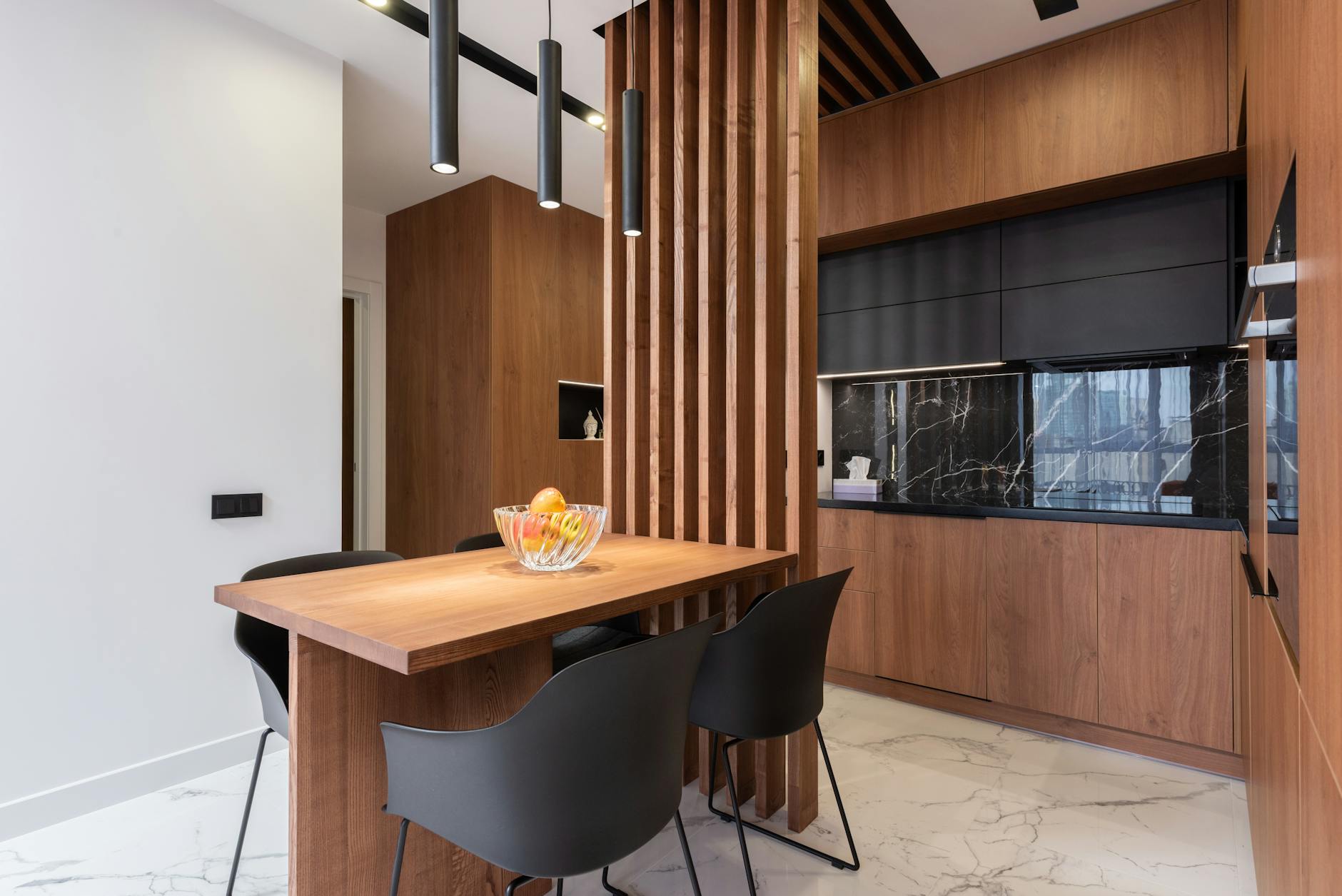
In today's real estate landscape, technology has seamlessly woven itself into the fabric of home design and purchase processes, especially for those who cherish innovation. As I navigate the housing markets, I'm particularly drawn to the allure of tech-savvy wollert display homes and display homes tarneit that present a fusion of style and cutting-edge features. From the sleek architecture to the integration of smart home technology, these homes mirror the energy of South Bank Parklands, capturing the blend of nature and modern design that resonates with my desire for a dynamic living space.
Smart home features are no longer a luxury; they're becoming the norm. Whether it's an intuitive home security system or energy-efficient lighting controlled via your smartphone, these advancements elevate the homeownership experience. It's the thought of having real-time data at my fingertips that excites me. Imagine a home where you can adjust the heating before you arrive or where the refrigerator sends updates about the groceries you need. These innovations provide not just comfort, but also practical benefits that mesh with a busy lifestyle.
Point cook display homes are championing this change, offering interactive and efficient home environments. They present possibilities for customisation and adaptability, key values for anyone with an appreciation for technology and innovative design. Integrating such digital elements into these homes means they can easily evolve with new trends, turning an investment into a forward-thinking living experience.
Evaluating Australia's Housing Market
Key Urban Areas
When it comes to assessing Australia's housing market, urban areas are the focal points of interest. Major cities like Melbourne and Sydney dominate the scene, each offering a unique blend of lifestyles, opportunities, and challenges. Suburbs like Gisborne are becoming popular for those interested in display homes gisborne that blend style and functionality. The second landmark, the Queensland Museum, represents the cultural enrichment found in Brisbane, highlighting how urban spaces can weave history into everyday life.
Market Dynamics
Understanding the dynamic nature of the housing market requires us to look at both micro and macroeconomic factors. Population growth, economic factors, and governmental policies all play crucial roles. Melbourne's rise in mt atkinson display homes suggests its potential for future growth, not just due to demand but also owing to innovative development strategies. Prospective homeowners are increasingly interested in properties that offer smart technology and eco-friendly solutions.
Investment Potential
The investment potential in Australia's housing market is multifaceted. Attracting not only local buyers but also international investors, the market requires thorough research to identify lucrative opportunities. In particular, urban areas with technological infrastructure are highly sought after. For instance, homes equipped with smart features are becoming a significant pull factor for tech-savvy buyers. This emphasis on intelligent design in housing sees keen interest from investors who are looking at long-term gains and sustainable living solutions.
Integrating Technology in Home Search
Smart Home Features
When embarking on the journey to find the perfect home, the integration of smart home features can significantly enhance your living experience. Imagine a space where technology intertwines seamlessly with everyday life, transforming a house into a smart haven. Voice-controlled assistants adjusting lighting and intelligent security systems keeping watch have evolved from mere ideas to essential components of modern living. With properties like display homes craigieburn vic, these features are not just conveniences but integral elements of the home design, catering to the needs of the tech-aware buyer.
Virtual Viewing Tools
Searching for a new home has been revolutionized by technology, especially with the advent of virtual viewing tools. Gone are the days when prospective buyers needed to physically tour multiple properties to gauge their potential. Now, virtual reality offers the opportunity to explore every nook and cranny from the comfort of your current living room. For instance, you could be sitting at the South Bank Parklands in Brisbane while taking a virtual tour of display homes for sale Melbourne. These tools provide an immersive experience, allowing you to visualise living in the space without stepping foot inside.
Apps for Property Insights
In an age dominated by mobile technology, having access to comprehensive property insights through apps enables better purchasing decisions. These applications offer a wealth of information at your fingertips, from historical price trends to neighbourhood statistics. By leveraging this data, you can make informed choices that align with your lifestyle and investment goals, ensuring your future home fosters creativity and innovation.
Challenges Faced by Tech-Savvy Buyers
Overcoming Information Overload
When diving into Melbourne's property market, tech-savvy buyers can easily feel swamped by the sheer volume of data available. The abundance of listings, like display homes sunbury, can be overwhelming. To manage this overload, it's crucial to streamline your search. Using property apps with customisable filters can help refine your choices based on your specific criteria, making your search more efficient.
Navigating Tech Integration
As someone who merges the art of home design with advanced technology, it's vital to not only find the right home but also incorporate the tech seamlessly. Features such as smart lighting, security systems, and climate control offer both convenience and energy efficiency, enhancing the living experience. It's essential, however, to collaborate with new homes melbourne builders who have experience in integrating these technologies to ensure both functionality and design are met.
Balancing Tradition and Innovation
While tech integrations innovate home experiences, preserving the charm of traditional elements remains important for many. Balancing these aspects can be challenging but rewarding when executed correctly. Contemporary design does not necessarily mean sacrificing character. There are builders who specialise in harmonising innovative technology with timeless design elements, allowing you to enjoy modern comforts without losing the soul of the property.
Understanding these challenges and strategies can better equip you to navigate the property landscape without being overwhelmed by tech-savvy demands.
Navigating Common Mistakes
Misinterpreting Property Appeal
When you're in the market for a home, it's easy to get swept up by the allure of polished online listings. Virtual tours and high-definition photos can enhance a property's appeal, making it look more enticing than it might be in reality. It's crucial to remember that first home loan approval hinges on the true value and appeal of the property rather than its digital makeover. I've learned that visiting potential homes in person is invaluable. A stroll near the South Bank Parklands or catching a vibey evening vibe at Streets Beach can give context that mere data points can't.
Overlooking the Shift in Digital Trends
In Brisbane, where tech innovation meets lifestyle, staying on top of digital trends is more relevant than ever. Ignoring emerging tools like property analysis apps or virtual reality platforms can mean missing out on new opportunities to find a home that checks all the boxes. Leveraging the latest software ensures you're not just buying a home but investing in a lifestyle that's futuristic and compatible with smart living technologies. Think about the synergy of a home that's a short jog from the Queensland Museum, yet brimming with intelligent features.
Overemphasising Tech Features at the Expense of Essentials
As someone captivated by tech's impact on real estate, balancing innovation with practicality is key. While features like automated lighting or AI-driven home assistants seem tempting, they should not overshadow fundamentals like location, structural integrity, or the community vibe. After all, easy access to digital conveniences doesn't necessarily substitute for day-to-day community life or proximity to Brisbane's gems. A well-rounded evaluation, combining tech-savvy insights with traditional considerations, empowers you to make the best decisions for your future dwelling.